The holiday travel rush and cold and flu season arrive together. According to the CDC, flu season in the Northern Hemisphere can start as early as October and last until April or May, which means every Thanksgiving connection, Christmas market trip and New Year’s ski weekend happens right in the middle of it. Add packed gate areas, recycled cabin air, short nights and airport food, and it is no surprise so many travelers come home with a cold as a souvenir.
You cannot control who coughs in row 23. You can control a lot of what you eat, how you sleep and how you move on the road. Here is what one well-known nutrition voice, Dr. Joel Fuhrman, says about eating for immune resilience, and how we would turn it into a practical travel plan.
What Dr. Fuhrman says about food and immunity
Dr. Joel Fuhrman, author of Eat to Live and Super Immunity, built his “Nutritarian” approach around high-nutrient, mostly plant-based foods. On his Immune Function page, he puts it bluntly: “Nutrition has the largest impact on the immune system.” He argues that a diet heavy in refined carbohydrates, processed foods and lots of animal products works against immunity, while vitamins, minerals and plant phytochemicals support it.
In his article “During Cold & Flu Season, Protect Yourself by Eating Right”, he singles out a handful of food groups. Many of them fit his well-known G-BOMBS shorthand: greens, beans, onions, mushrooms, berries and seeds.
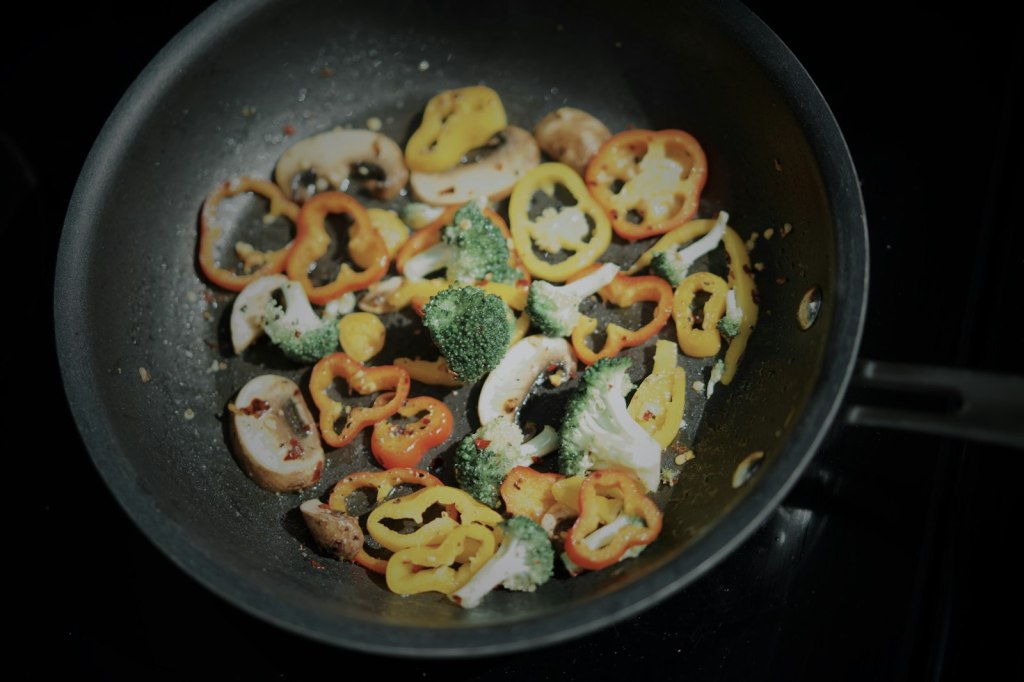
- Mushrooms. He points to research on beta-glucans in mushrooms such as shiitake and white button. He also says to eat mushrooms cooked, not raw.
- Cruciferous vegetables. Broccoli, cabbage and their relatives. He suggests chopping them finely and eating some raw.
- Berries. Blueberries, raspberries, strawberries and elderberries, for their flavonoids and vitamin C.
- Onions and garlic. He notes that their active compounds form when the cells are chopped or crushed.
- Beans, lentils and split peas. Their fiber and resistant starch feed gut bacteria that he links to immune function.
He also stresses things that have nothing to do with the menu: regular exercise, enough restful sleep and managing chronic stress. His Immune Function page notes that “Sleep deprivation, alcohol abuse, and smoking also impair immunity.” He discusses supplements too, including vitamin D and zinc, but whether you need any of them, and how much, is a question for your own doctor.
A fair note on the evidence: Dr. Fuhrman cites a long list of studies, but many are small trials, reviews or observational studies. They suggest that diet, sleep and exercise matter for immune health. They do not prove that any single food will keep you from catching a cold on your next flight. His pages also promote his own books and supplements. Read them as one expert’s view, not settled science.
The flu season travel playbook
Before the trip
- Talk to your doctor about vaccines early. The CDC advises getting a flu vaccine at least two weeks before you travel, because that is about how long it takes for antibodies to develop. For December trips, that means booking the appointment now.
- Bank sleep the week before. Late-night packing and a 5 a.m. Uber are a rough combination. Protect your sleep in the days leading up to departure.
- Pack a G-BOMBS travel kit. Unsalted nuts and seeds, a bag of berries, cut raw broccoli or snap peas, and a roasted chickpea snack all survive a travel day. Solid foods like these generally clear TSA checkpoints; wet foods such as hummus fall under the liquids rule.
- Bring hand sanitizer. The CDC recommends one with at least 60% alcohol when soap and water are not available. Keep it within the 3.4-ounce carry-on limit.
At the airport and on the plane
- Wash your hands often, especially before eating and after security bins and gate seating. Cover coughs and sneezes with a tissue or your upper sleeve.
- Build your airport meal around vegetables and beans. Look for a grain bowl with beans and greens, a veggie burrito bowl, a lentil or vegetable soup, or a salad with chickpeas. Skip the pastry case when you can.
- Use your lounge strategically. Many lounges put out salads, fruit and vegetable dishes. Fill your plate there first instead of reaching for the cookies and the second glass of wine.
- Go easy on alcohol. Dr. Fuhrman lists alcohol among the factors that weaken immunity, and it does your sleep on a red-eye no favors either.
At your destination
- Order the vegetable sides. Sauteed mushrooms, roasted broccoli or Brussels sprouts, and bean dishes are easy to find on most restaurant menus, even at a steakhouse.
- Hit a grocery store on day one. Berries, pre-cut vegetables and a can of beans turn a hotel mini-fridge into a backup kitchen.
- Keep moving. A hotel gym session, a long walk or a bodyweight workout in your room all count. Dr. Fuhrman links regular exercise to fewer and milder respiratory illnesses.
- Protect your sleep. A dark, cool room and a consistent bedtime help, even on vacation.
If you get sick
The CDC says not to travel with flu-like symptoms. Stay put until your symptoms are improving overall and you have been fever-free for at least 24 hours without fever-reducing medicine. After you get home, watch your health for about a week. If you feel ill, especially with a fever, see a healthcare provider and tell them where you traveled. This is a good reason to book refundable or points-based award tickets during flu season, since many award bookings are easier to change than cheap cash fares.
Our take
Frequent travel puts real strain on the immune system, and that is why our international team prioritizes health and fitness, clean eating, sunshine, fresh air, water, sleep and staying active on the road. You do not need to follow Dr. Fuhrman’s Nutritarian diet to borrow his best travel idea: make vegetables, beans, mushrooms and berries the default on travel days instead of an afterthought. Pair that with basic CDC hygiene, a vaccine conversation with your doctor, real sleep and daily movement, and you give yourself the best odds of spending your holiday trip at the Christmas market instead of in bed.
Sources:
- DrFuhrman.com: During Cold & Flu Season, Protect Yourself by Eating Right
- DrFuhrman.com: Immune Function
- CDC: Flu Prevention: Information for Travelers
This article is for general information only and is not medical advice. Talk to your doctor before changing your diet, exercise, sleep or supplement routine.





Leave a Reply