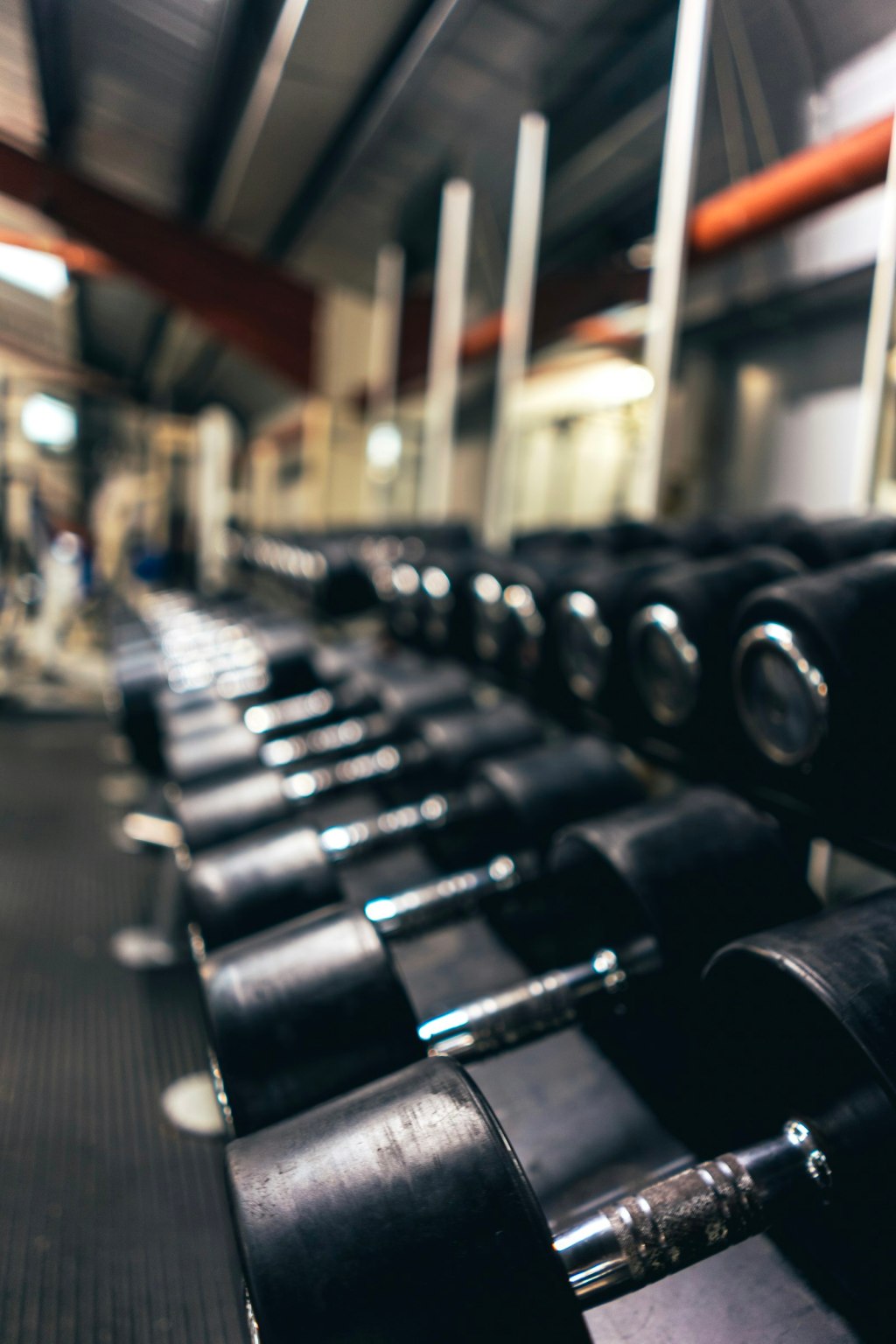
You finally booked the big trip: two weeks, three cities, a mix of award nights and a cruise or a beach week at the end. Then the quiet worry sets in. You have spent months lifting three or four times a week, and you are about to swap your gym for hotel fitness rooms of very uneven quality, long dinners and travel days that eat your schedule. Will you come home weaker?
Probably not, if you do a small amount of the right work. The key idea is that keeping fitness takes far less than building it, as long as you keep the effort honest. Here is what the experts say and how we turn it into a travel plan.
What the science and the experts say
On the Huberman Lab podcast, Dr. Andrew Huberman sat down with exercise physiologist Dr. Andy Galpin for an Essentials episode on building strength, muscle size and endurance (April 2026). A few points from that conversation are especially useful on the road:
- Repeating the same workout keeps you where you are. Galpin explains that doing the same session over and over gives you maintenance rather than progress. On a trip, maintenance is exactly the goal, so that is good news.
- Strength work can be short. For strength, the episode describes heavy sets of five reps or fewer, and suggests that as few as three working sets per exercise may be enough. Galpin also lays out a simple “3 to 5” framework: three to five exercises, three to five sets, three to five reps, three to five minutes of rest.
- Muscle size responds to a wide rep range. For hypertrophy, the episode describes sets anywhere from about 5 to 30 reps working roughly equally well, as long as sets are taken close to failure. That matters when the hotel dumbbells top out at 50 pounds.
- Supersets save time. Pairing exercises back to back slightly reduces strength gains, according to the episode, but saves a lot of time, which makes them a reasonable choice for general fitness.
- Calm down after you train. The episode suggests three to five minutes of slow breathing with long exhales after a session to help shift into recovery.
The research on the minimum dose points the same way. A 2021 review in the Journal of Strength and Conditioning Research, “Maintaining physical performance: the minimal dose of exercise needed to preserve endurance and strength over time” by Spiering and colleagues, concluded that intensity is the key variable. In younger people, the authors report that strength and muscle size can be kept for up to 32 weeks with “as little as 1 session of strength training per week and 1 set per exercise,” provided the load stays heavy. Older adults may need more, up to two sessions a week and two to three sets per exercise, to hold on to muscle size. For endurance, the review found performance could be maintained with fewer sessions or less volume, again as long as intensity stayed up. It is a narrative review, not a single trial, and the authors note that data on athletes are limited, so treat these numbers as a floor, not a target.
For context on the long-term picture, the CDC’s adult physical activity overview says adults need at least two days of muscle-strengthening activity each week that work all major muscle groups, plus 150 minutes of moderate-intensity activity. A trip is a good time to aim for at least that.
The travel playbook: keep your training streak alive
Before you go
- Check the gym, not just the lobby. When you book with points, look at recent guest photos and reviews of the fitness center. A rack of dumbbells and an adjustable bench matter more than a wall of cardio machines.
- Pick two anchor sessions per week. Put them in your calendar like a flight. Morning works best on most trips, before tours and dinners take over the day.
- Write one short program. Using Galpin’s 3-to-5 idea: three to five exercises that cover legs, hips, back, chest, shoulders and arms, such as split squats, Romanian deadlifts, rows, presses and push-ups.
- Pack light backups. A resistance band and a pair of shoes you can train in take almost no space.
During the trip
- Keep the effort high, cut the volume. This is the core lesson from the research. Two or three hard sets per movement, done close to failure or with a heavy load, beat an hour of easy sets.
- Use the rep range to your advantage. If the heaviest hotel dumbbell is too light for sets of five, go for higher reps and stop only when you are close to failure.
- Superset to save time. Pair a lower-body and an upper-body move, like split squats and rows, and you can finish in 25 to 30 minutes.
- No gym? Make it harder, not longer. Slow down the lowering phase of push-ups and split squats, add a band, or use your packed suitcase for rows. Just keep the sets challenging.
- Walk the cities. Sightseeing on foot covers a big part of the CDC’s weekly aerobic target without trying.
- Finish with a breathing reset. A few minutes of slow breathing with long exhales is a simple way to come down from a session before a day of meetings or museums.
After you land at home
- Ease back in. Start your first week home at a slightly lower volume, especially if jet lag hit hard, then return to your normal program.
- Judge by performance, not soreness. The Galpin episode describes soreness as a poor measure of workout quality. If your main lifts are close to where you left them, the plan worked.
Our take
Staying active is one of the Points Capital international team’s travel health priorities, along with clean eating, sunshine, fresh air, water and sleep. The good news from both the Huberman Lab conversation and the research is that a vacation does not have to be a reset button. Two short, honest sessions a week in whatever hotel gym you land in, plus plenty of walking, is a realistic goal on almost any itinerary. And in big cities where the air quality is poor, that hotel gym is also where we would rather do our cardio than on a run outside.
Related on Points Capital: Exercise Snacks for Travelers: Dr. Rhonda Patrick’s One-Minute Workouts for Hotel Rooms, Stairwells and Layovers · Walk the Terminal, Take the Stairs: A Cardiologist’s Case for Moving More on Travel Days · Andrew Huberman’s “Protocols”: How to Use It to Stay Healthy While Traveling All Year
Sources
- Huberman Lab: Essentials: How to Build Strength, Muscle Size & Endurance | Dr. Andy Galpin (April 2, 2026)
- Spiering BA, Mujika I, Sharp MA, Foulis SA. Maintaining physical performance: the minimal dose of exercise needed to preserve endurance and strength over time. Journal of Strength and Conditioning Research, 2021 (PubMed)
- CDC: Adult Activity: An Overview
This article is for general information only and is not medical advice. Talk to your doctor before changing your diet, exercise, sleep or supplement routine.





Leave a Reply