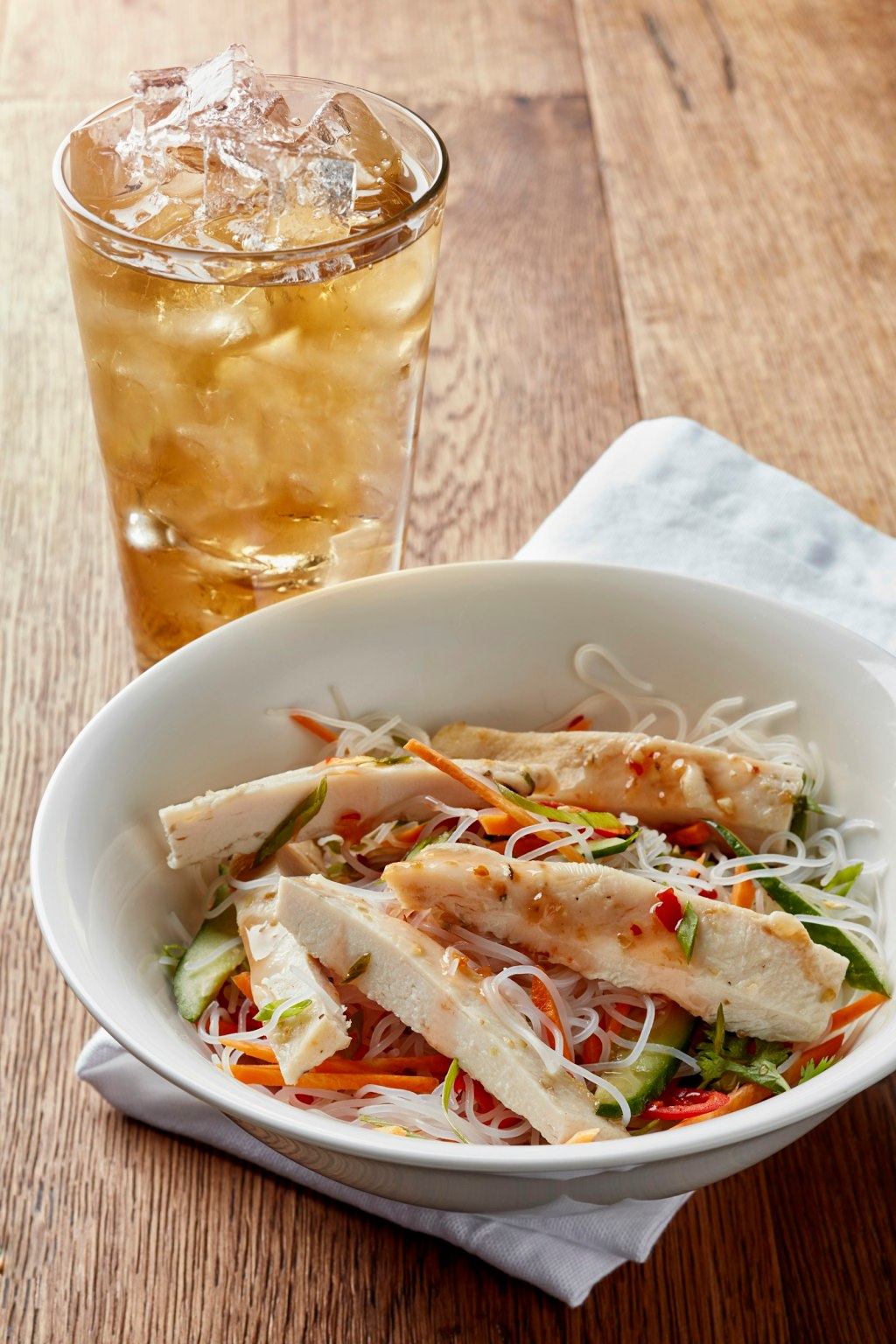
Thanksgiving week is the start of the season when travel meals stop being yours. There is the family dinner at the restaurant your uncle picked, the client meal on a work trip, the conference group that wants steak at 9 p.m., and the breakfast buffet that comes with your elite status. Packing your own snacks covers the flight. It does not cover a table of eight and a waiter who is already setting down the bread basket.
Poor food on the road is one of the reasons the Points Capital international team takes travel health seriously, and clean, mostly whole-food eating is one of our priorities. So this week we looked at how Dr. Joel Fuhrman handles the hardest part of eating well while traveling: meals out with other people.
What Dr. Fuhrman recommends
Dr. Joel Fuhrman, the family physician and author of Eat to Live, promotes what he calls a Nutritarian diet: mostly vegetables, fruits, beans, nuts and seeds, with very little processed food. His site’s article “Tips for Staying Healthy When Dining Out” (August 2016) is less about what to order and more about how to manage the social side of a restaurant meal.
A few of his ideas stand out for travelers:
- Pick the place and read the menu first. He suggests agreeing on a restaurant with your group ahead of time and choosing your dish from the online menu. If nothing fits, he says to get creative and ask the kitchen to steam a mix of vegetables and beans, or to put several vegetable sides on one plate.
- Don’t show up hungry. In his words, “Never arrive at the restaurant starving!” He suggests eating something like fruit or raw vegetables with hummus beforehand.
- Skip the bread basket. He recommends asking the table to pass on it, and he is especially firm about white bread.
- Get sauces and dressings on the side. Dip the tip of your fork before each bite, or ask for balsamic vinegar or fresh lemon juice instead.
- Hand the server a card. One of his more unusual tips is a small card listing what you avoid (oil, salt, fried foods, cheese, white pasta) and what you prefer (raw or steamed vegetables, beans, whole wheat pasta, nuts and seeds), and inviting the chef to make something that fits.
- Expect comments, and don’t take the bait. He notes that people are rarely watching your plate as closely as you think, and that your choices are your own business. Over time, he says, you learn which restaurants will accommodate you and can favor those.
A note on framing: these are Dr. Fuhrman’s recommendations for people following his eating style, and the article is practical advice rather than a review of studies. You do not have to go Nutritarian to use the strategy, which is to decide before you sit down instead of letting the table decide for you.
One useful tool he doesn’t mention: in the U.S., the FDA’s menu labeling rules require restaurants that are part of a chain with 20 or more locations to post calories for standard menu items. Those chains must also provide written nutrition information on request, including sodium, fiber, sugars and protein. That makes airport chains, hotel-adjacent chains and highway stops easier to navigate than you might think.
The restaurant playbook for travelers
Before the trip
- Volunteer to pick the restaurant. If you are booking the group dinner, you control the menu. Restaurants with big salads, vegetable sides, grilled fish or Asian vegetable dishes give everyone something to like.
- Screenshot the menu. Choose your order before the trip, when you are not tired, hungry or jet-lagged.
- Make a note on your phone. Dr. Fuhrman’s chef card idea works just as well as a short note you can show a server: “Steamed vegetables, no butter or oil, sauce on the side.”
On the day
- Eat a small snack at the hotel first. An apple, a handful of nuts or some cut vegetables from a nearby grocery store take the edge off before a late dinner.
- Order first. It is easier to stick to your plan when you are not reacting to everyone else’s order.
- Ask for the swap, not the special. Most kitchens can replace fries or white rice with a vegetable side. Asking politely and early, before the dinner rush, helps.
- Use the posted calories at chains. At chain restaurants, check the menu board and ask for the nutrition sheet if you want to see sodium or protein.
- Let the bread basket go by. If the table wants it, just keep it at the far end.
After a big meal
- Reset at the next meal. One holiday dinner does not undo a week of good choices. Make breakfast simple: oatmeal, fruit or whatever the hotel has that is closest to whole food.
- Keep a list of places that said yes. If a restaurant in a city you visit often handled your request well, save it. That is the long-term version of Dr. Fuhrman’s advice to favor restaurants that accommodate you.
Our take
Frequent travelers get good at planning flights, hotels and award seats weeks in advance, and then leave dinner to chance. Dr. Fuhrman’s dining-out tips are really about planning, and that is a skill points collectors already have. You don’t need to be the difficult guest at Thanksgiving dinner or the client meal. Look at the menu ahead of time, eat a little before you go, ask for one simple swap and move on. For the Points Capital team, eating well on the road means more energy for the trip itself, and the habit is the same whether you are at a family table in Ohio or a business dinner in Tokyo.
Related on Points Capital: Healthy travel snacks: how to pack your own plane food.
Sources
- DrFuhrman.com: Tips for Staying Healthy When Dining Out (August 24, 2016)
- U.S. Food and Drug Administration: Menu Labeling Requirements
This article is for general information only and is not medical advice. Talk to your doctor before changing your diet, exercise, sleep or supplement routine.



Leave a Reply