You know the scene. Your flight is delayed, the lounge is packed, and the only food between you and your gate is a pretzel stand, a burger counter and a cooler of sandwiches that taste mostly of salt. You eat whatever is closest, and then you do it again on the plane. Do that a few times a month and travel days quietly become your least healthy days.
At Points Capital we think of food on the road the way we think of award seats: the best options go to people who plan ahead. This week we read Dr. Joel Fuhrman’s travel tips, added Dr. Paul Saladino’s very different plane kit, and paired both with what TSA and U.S. Customs say, to build a simple travel-day food plan.
What Dr. Fuhrman recommends
Dr. Joel Fuhrman, the family physician and author of Eat to Live, promotes what he calls a Nutritarian diet: mostly vegetables, fruits, beans, nuts and seeds, with very little processed food. His site’s blog post “10 Travel tips for Nutritarian vacationers” (August 2022) is built around one idea: “You don’t have to leave your healthy eating habits at home.”
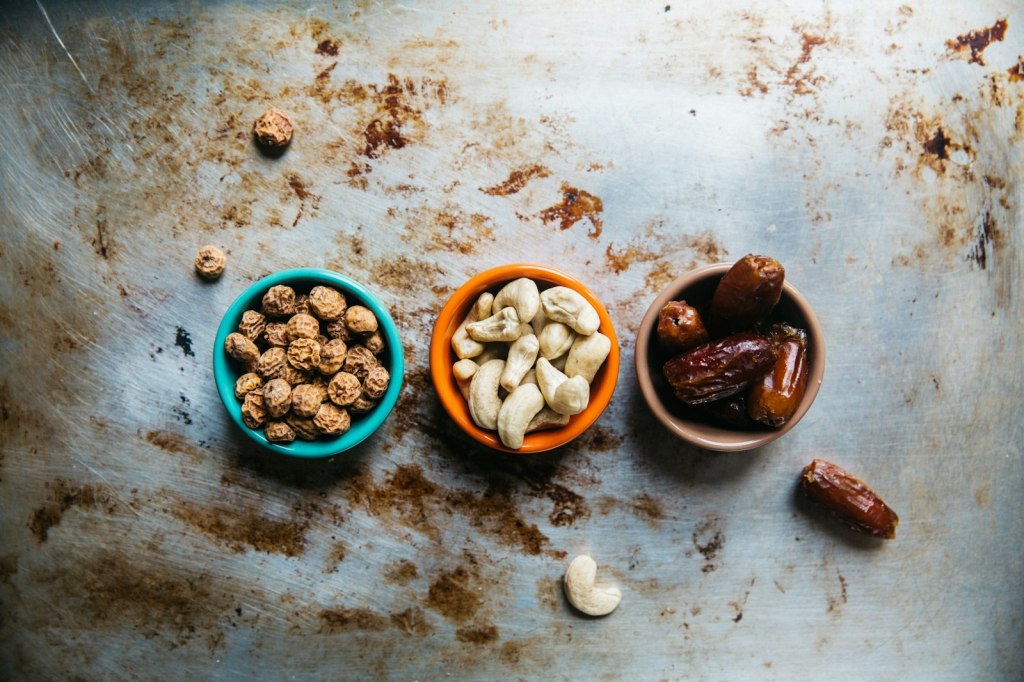
For flying, the post suggests packing travel-friendly foods such as apples, nuts, seeds, trail mix, kale chips and breakfast bars. It mentions that you can ask your airline for a vegetarian or vegan meal, but warns that these are often high in salt, oil or sugar, so bringing your own food is the safer bet. For hotel stays with only a mini-fridge, it suggests packing your own cutlery and foods like overnight oats, sprouted bread with nut butter, and raw vegetables with a low-sodium, no-oil dip.
At restaurants, the advice is to make a salad the main dish: order a double salad, go light on dressing or use vinegar, skip the bread and soup, and swap pasta, potatoes or white rice for extra steamed vegetables. If you want an animal-based entrée, the post suggests simple broiled fish or chicken, shared. It also recommends checking menus online and calling ahead. And if you slip, the guidance is simply to get back on track at the next meal.
A note on framing: these are Dr. Fuhrman’s recommendations for people following his eating style, and the post itself does not cite studies. You do not need to go fully Nutritarian to borrow the practical part, which is to pack real food so you are not stuck with whatever the terminal sells.
The travel-day food playbook
Before you leave
- Pack a solid-food kit. Apples, unsalted nuts and seeds, trail mix, kale chips and a homemade or low-sugar breakfast bar all travel well. TSA’s guidance on fresh fruits and vegetables says solid food items can go in your carry-on or checked bag.
- Watch the liquids and spreads. TSA says liquid or gel food items larger than 3.4 oz are not allowed in carry-on bags. That can include nut butter, hummus and dips, so pack small containers or put larger ones in your checked bag.
- Bring an empty insulated water bottle. Dr. Fuhrman’s post suggests reusable insulated bottles over disposable plastic. Fill it after security.
- Pack real cutlery. A fork and spoon make a hotel-room salad or overnight oats far easier. (The post’s suggested chopping knife belongs in checked baggage, never in your carry-on.)
At the airport and on the plane
- Treat the lounge like a salad bar. Head for the fresh vegetables, fruit and plain proteins, and go easy on the soups, breads and sauces.
- Think twice about the special meal. Pre-ordering a vegetarian or vegan meal can help, but as Dr. Fuhrman points out, it is not automatically low in salt, oil or sugar. Your own snack kit is the backup.
- Finish fresh produce before you land abroad. U.S. Customs and Border Protection requires travelers entering the U.S. to declare meats, fruits, vegetables, plants and seeds, and undeclared prohibited items can bring civil penalties. Other countries have their own rules, so check before you fly. TSA also notes that travelers flying from Hawaii, Puerto Rico or the U.S. Virgin Islands to the mainland cannot take most fresh fruits and vegetables.
At the hotel and in restaurants
- Stock the mini-fridge on day one. A quick stop at a grocery store or natural foods market near your hotel covers breakfasts and snacks for the whole stay.
- Make salad the main dish. Order a double salad, ask for dressing on the side or vinegar, and swap the starch for extra steamed vegetables.
- Look at the menu before you go. Checking online and calling ahead, as Dr. Fuhrman suggests, makes it easier for the kitchen to accommodate you.
- Reset at the next meal. One airport burger does not ruin a trip. Just make the next meal a good one.
A second opinion: Dr. Saladino’s protein-first plane kit
Dr. Fuhrman’s kit is plant-heavy, so for balance here is the other end of the spectrum. Dr. Paul Saladino, the physician behind the animal-based eating movement, has talked about his own go-to foods for air travel, and the list we have heard him give is short: hard-boiled eggs, elk jerky and coconut water. He is also the doctor whose video of carrying whole coconuts and cold burger patties through TSA, to avoid airport food and airport prices, went viral on travel sites in 2024. Whole coconuts are a stretch for most of us, but the underlying logic is the same as Fuhrman’s: bring real food so the terminal cannot decide what you eat.
The practical notes for his three: hard-boiled eggs are a solid food and fine through TSA, but peel them at home and eat them in the terminal or early in the flight, since they are the one snack your seatmates will notice. Jerky of any kind is shelf-stable and clears security without a second look; read the label, because many brands are heavy on added sugar and seed oils, and the cleaner ones list little more than meat and salt. Coconut water is a liquid, so a carton over 3.4 oz has to be bought after security or checked. And if you are landing abroad or returning to the U.S., finish the jerky before customs, since meat products are among the items you must declare.
Our own version of his kit: when we do not have hard-boiled eggs on hand, we travel with Carnivore Snax, the air-dried meat chips whose label lists just two ingredients, meat and salt. The lineup covers Wagyu, brisket and leaner steak cuts, plus chicken, lamb and bison, so there is a flavor for whoever is in the row with you. They are light, shelf-stable, clear TSA without a second look, and they do not smell up a cabin the way eggs can. A bag or two in the carry-on covers a long travel day. Disclosure: that is our personal referral link. If you order through it, we may receive a credit, at no extra cost to you. See our Advertising & Referral Disclosure.
Our take
Poor airport food is one of the reasons the Points Capital international team takes travel health seriously, and clean, organic eating is one of our priorities on the road. Whether you lean toward Dr. Fuhrman’s plant-heavy kit or Dr. Saladino’s protein-first one, the travel advice comes down to something every frequent flyer can do: pack real food, skip the processed stuff, and let your own bag, not the terminal, decide what you eat. A small bag of apples, nuts and hard-boiled eggs costs a few dollars, fits in any carry-on, and beats a $15 terminal sandwich on almost every count.
Related on Points Capital: Coffee and cocktails at 35,000 feet: how to time caffeine and alcohol when you travel; Air pollution and broccoli sprouts: what Dr. Rhonda Patrick says about sulforaphane; Andrew Huberman’s “Protocols”: how to stay healthy while traveling all year.
Sources
- DrFuhrman.com: 10 Travel tips for Nutritarian vacationers (August 3, 2022)
- TSA: What Can I Bring? Fresh Fruits and Vegetables
- U.S. Customs and Border Protection: Bringing Agricultural Products Into the United States
This article is for general information only and is not medical advice. Talk to your doctor before changing your diet, exercise, sleep or supplement routine.




Leave a Reply